
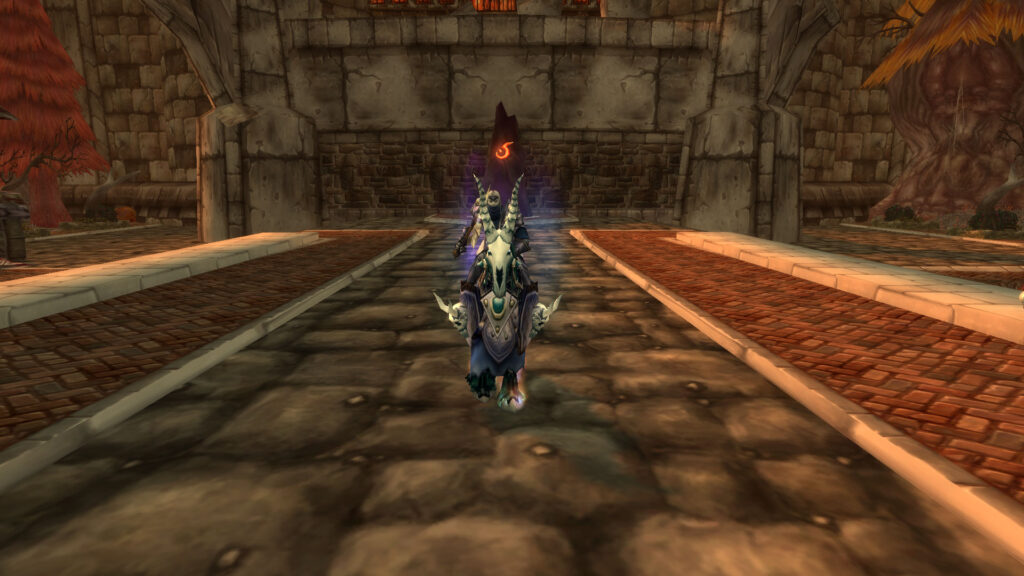
The Scourge Plaguelands in World of Warcraft: Wrath of the Lich King masterfully embody the essence of gothic horror through their architectural design. This guide explores how the game’s environment, structures, and artistic choices create an immersive experience that resonates with themes of dread, decay, and the supernatural. By examining the mechanics of design and the emotional impact of these elements, players can appreciate the depth of storytelling embedded in the game’s world.
How Does the Architecture of the Scourge Plaguelands Reflect Gothic Horror?
The Scourge Plaguelands architecture reflects gothic horror through its use of dark, foreboding structures, decaying landscapes, and an atmosphere filled with despair and dread.
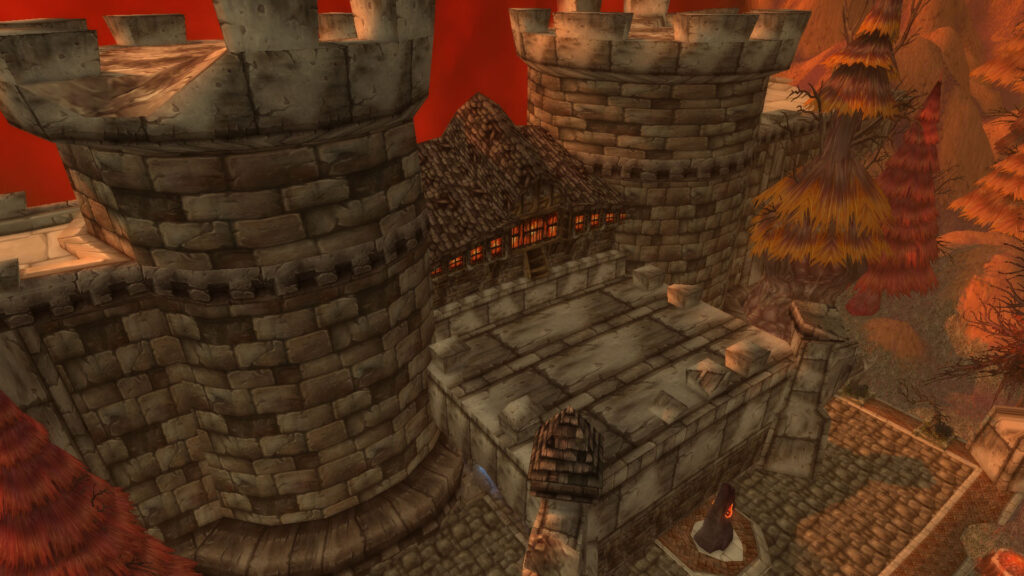
The Plaguelands are characterized by their hauntingly beautiful yet grotesque architecture, which evokes feelings of fear and unease. Structures like the ruined towers of the Scarlet Monastery and the eerie designs of the Forsaken settlements illustrate a deep connection to gothic themes. The use of sharp angles, towering spires, and intricate details creates a visual representation of the tension between life and death, a hallmark of gothic horror. Furthermore, the pervasive decay and corruption in the environment serve as a constant reminder of the Scourge’s influence, amplifying the sense of hopelessness that defines the region.
Architecturally, the Plaguelands utilize a color palette dominated by grays, blacks, and muted greens, enhancing the oppressive atmosphere. The juxtaposition of once-majestic structures now crumbling under the weight of the Scourge’s corruption adds layers to the narrative. Players encounter remnants of civilization, such as dilapidated homes and abandoned churches, which tell stories of loss and despair. The design choices made in the Plaguelands compel players to engage with the environment, fostering a deeper emotional connection to the narrative and the overarching themes of gothic horror.
What Key Elements of Design Contribute to the Gothic Horror Aesthetic?
Key elements of design contributing to the gothic horror aesthetic in the Scourge Plaguelands include the use of light and shadow, architectural motifs, and environmental storytelling.
The interplay of light and shadow is crucial in establishing the gothic atmosphere. Dimly lit areas, contrasted with sudden bursts of light, create a sense of unpredictability and tension. This design choice not only enhances the visual experience but also influences gameplay by keeping players on edge. Architectural motifs such as gargoyles, spires, and arches evoke traditional gothic styles, while the incorporation of grotesque elements reflects the corruption of the land. These motifs serve as visual cues that reinforce the narrative of decay and despair.
- Utilize contrasting light and shadow to create tension and unease.
- Incorporate traditional gothic architectural motifs like spires and gargoyles.
- Design environments that reflect the history and corruption of the land.
- Implement sound design that complements the visual elements to enhance immersion.
Environmental storytelling is another critical aspect, as players encounter remnants of past civilizations that hint at their tragic fates. Ruins, scattered belongings, and the presence of undead creatures all contribute to a narrative that is woven into the very fabric of the landscape. This attention to detail allows players to engage with the world on a deeper level, fostering a sense of connection to the gothic horror themes that permeate the Scourge Plaguelands.
What Are the Most Iconic Structures in the Scourge Plaguelands?
Iconic structures in the Scourge Plaguelands include the Scarlet Monastery, the ruins of Stratholme, and the eerie architecture of the Forsaken.
These structures serve as focal points for the gothic horror aesthetic, each contributing uniquely to the overall atmosphere. The Scarlet Monastery, with its towering spires and intricate stonework, stands as a testament to the once-great civilization now fallen to ruin. Its architecture embodies the clash between the sacred and the profane, a common theme in gothic horror. The ruins of Stratholme, on the other hand, represent the ultimate tragedy of the Scourge’s corruption, with its desolate streets and remnants of a once-thriving city hauntingly echoing the past.
| Structure | Significance | Architectural Features | Gothic Elements |
|---|---|---|---|
| Scarlet Monastery | Symbol of fallen hope | Tall spires, intricate stonework | Contrast of light and shadow |
| Stratholme | Representation of tragedy | Ruined buildings, eerie silence | Decay and corruption |
| Forsaken Architecture | Embodiment of the undead | Dark, twisted designs | Grotesque motifs |
The Forsaken’s architecture further exemplifies the gothic horror theme, with its dark, twisted designs that reflect the nature of its inhabitants. Each of these structures not only serves a functional purpose within the game but also contributes to the overarching narrative of despair and horror, reinforcing the emotional impact of the Scourge Plaguelands.
How Does Environmental Storytelling Enhance the Gothic Horror Experience?
Environmental storytelling in the Scourge Plaguelands enhances the gothic horror experience by immersing players in a world filled with tragic narratives and haunting visuals.
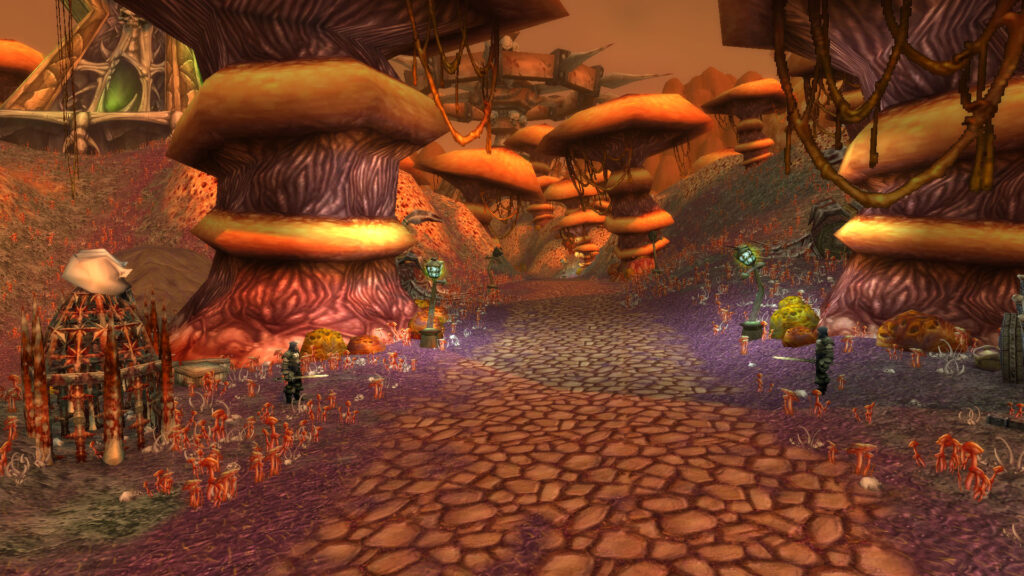
Each element of the environment tells a story, from the scattered belongings of the fallen to the ominous presence of the undead. This storytelling technique allows players to piece together the history of the Plaguelands, creating a sense of connection to the characters and events that transpired. The use of visual cues, such as bloodstains, abandoned camps, and the remnants of battles, reinforces the themes of loss and despair, making the experience more impactful.
Additionally, the design of quests and encounters often ties back to the environmental storytelling, encouraging players to explore and engage with the world. For instance, quests that require players to investigate the ruins of Stratholme or confront the horrors within the Scarlet Monastery deepen the narrative experience. This integration of gameplay and storytelling is essential in creating a cohesive gothic horror atmosphere, allowing players to feel the weight of the history that surrounds them.
What Are the Best Practices for Creating Gothic Horror in Game Design?
Best practices for creating gothic horror in game design include leveraging atmospheric soundscapes, employing contrasting visuals, and integrating narrative elements seamlessly.
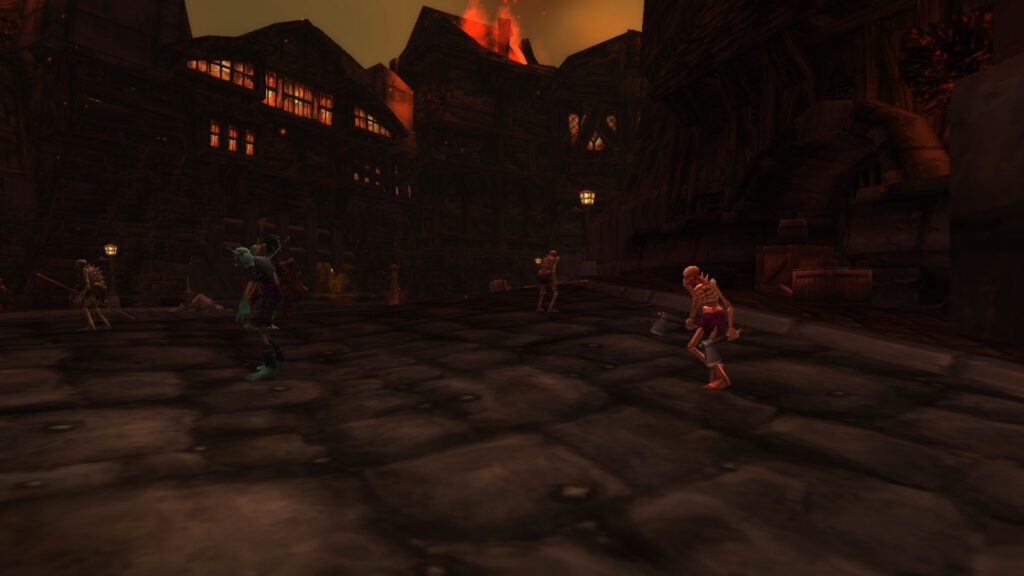
Atmospheric soundscapes play a crucial role in establishing a sense of dread and unease. Utilizing ambient sounds, such as distant howls, creaking wood, and eerie whispers, can enhance the player’s immersion in the environment. Coupled with contrasting visuals, such as bright areas juxtaposed with dark corners, designers can create a dynamic experience that keeps players on edge. This technique not only enhances the aesthetic but also influences gameplay by encouraging exploration and caution.
Integrating narrative elements into the environment is also vital. Designers should focus on creating spaces that tell a story, using visual cues and environmental details to convey the history and emotions of the setting. This approach fosters a deeper connection between players and the game world, allowing them to engage with the narrative on a more personal level. By following these best practices, game designers can effectively evoke the themes of gothic horror, creating an unforgettable experience for players.
Frequently Asked Questions
What inspired the gothic horror elements in the Scourge Plaguelands?
The gothic horror elements in the Scourge Plaguelands were inspired by classic horror literature and architecture, emphasizing themes of decay, despair, and the supernatural. Designers drew from historical gothic styles to create an immersive environment that resonates with players.
How do the architectural choices affect gameplay in the Plaguelands?
Architectural choices in the Plaguelands influence gameplay by creating spaces that evoke emotions and encourage exploration. The design of structures and environments often ties into quests and encounters, enhancing the overall narrative experience.
Can players find hidden stories within the Scourge Plaguelands?
Yes, players can discover hidden stories within the Scourge Plaguelands through environmental storytelling. Scattered items, ruins, and quest lines provide insights into the tragic history of the area, enriching the player’s experience.